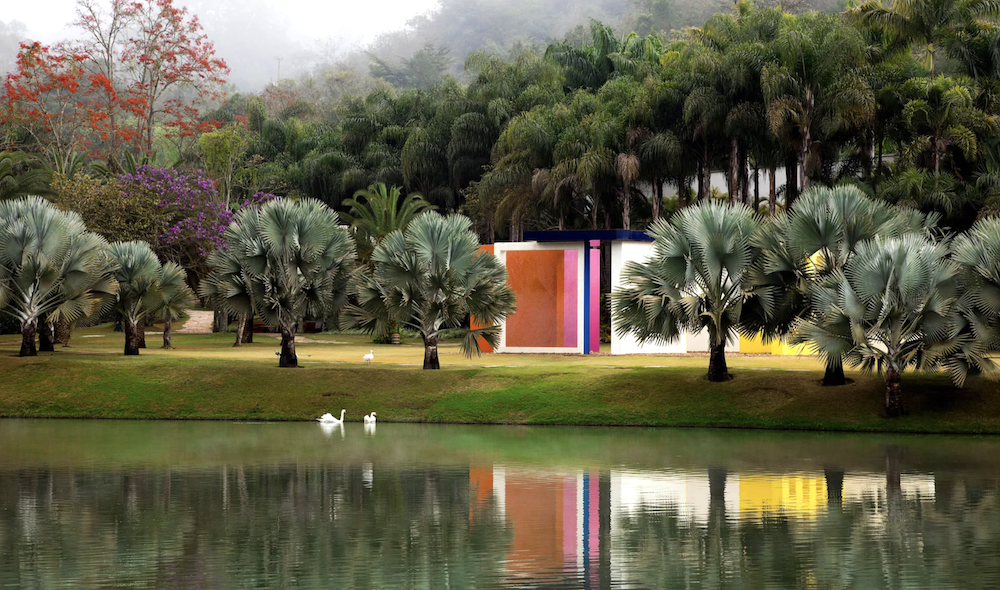
Near Brumadinho, Brazil, about 60 kilometers from Belo Horizonte in the state of Minas Gerais, the Instituto Inhotim is an open-air museum that combines art and nature with site-specific contemporary art in a sprawling landscape of botanical gardens.
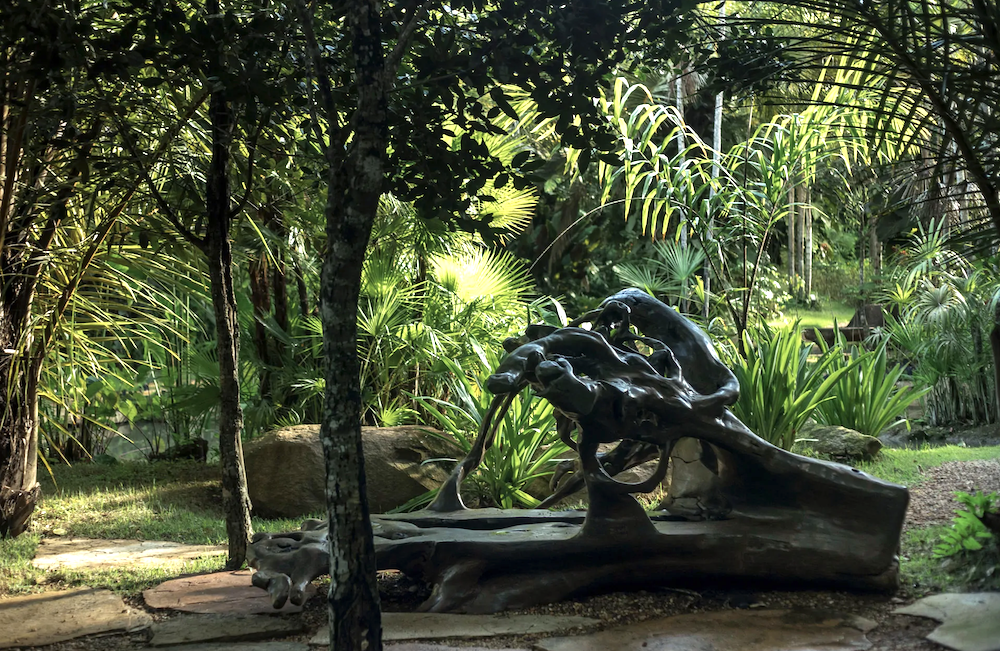
Inhotim began in the 1980s when the mining businessman Bernardo Paz acquired land to expand his ranch and protect the surrounding natural environment. Influenced by the landscape architect Roberto Burle Marx and the artist Tunga, Paz converted the property into a botanical garden to house his growing art collection. The site opened to visitors in 2006 and later transitioned into a non-profit institute that is a pillar of the local economy as well as an international art destination.
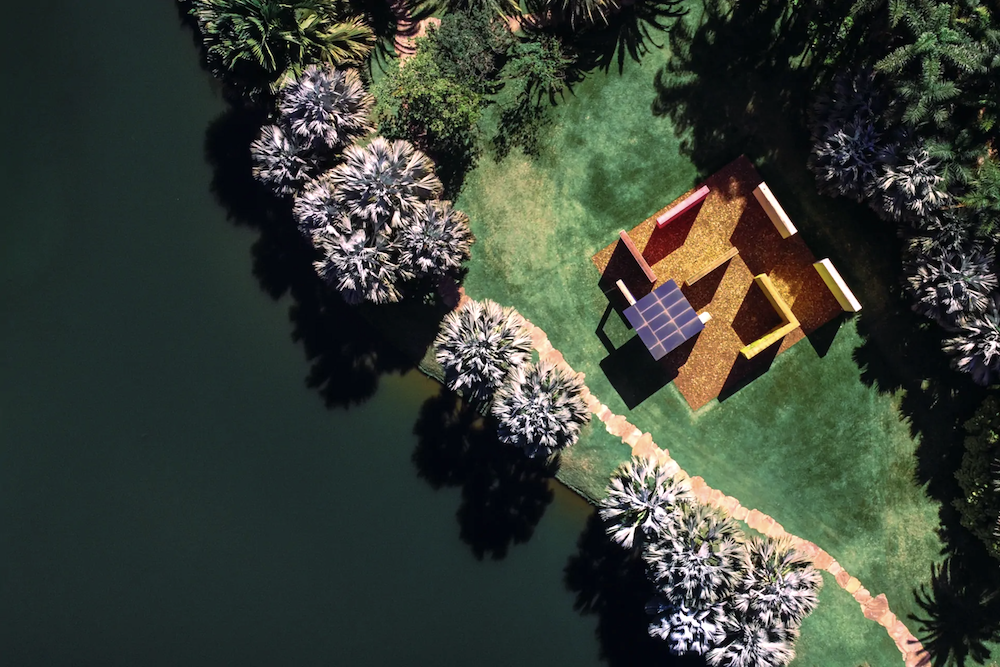
The institute comprises 5,000 acres of environmental preserves with more than 4,300 plant species from every continent. While much of the land remains wild, about 350 acres are open to the public, featuring 20 permanent pavilions and four temporary exhibition spaces. The collection of 700 works includes all media from the 1960s to the present, but is characterized by large-scale commissions that are either integrated into the landscape or housed in structures that are themselves significant works of architecture.
![Doug Aitken, Sonic Pavilion, 2009, external view, photo by João Kehl, courtesy of Instituto Inhotim Obra Sonic Pavilion, 2009, Galeria Doug Aitken. Acervo de arte contemporânea Inhotim. Doug Aitken, Sonic Pavilion, 2009, [external view]](https://codylee.co/wp-content/uploads/2026/01/Doug-Aitken-Sonic-Pavilion-Inhotim.jpg)
Doug Aitken’s Sonic Pavilion surrounds a 202-meter-deep well equipped with microphones that transmit real-time sounds of the earth’s movements into a circular glass building.
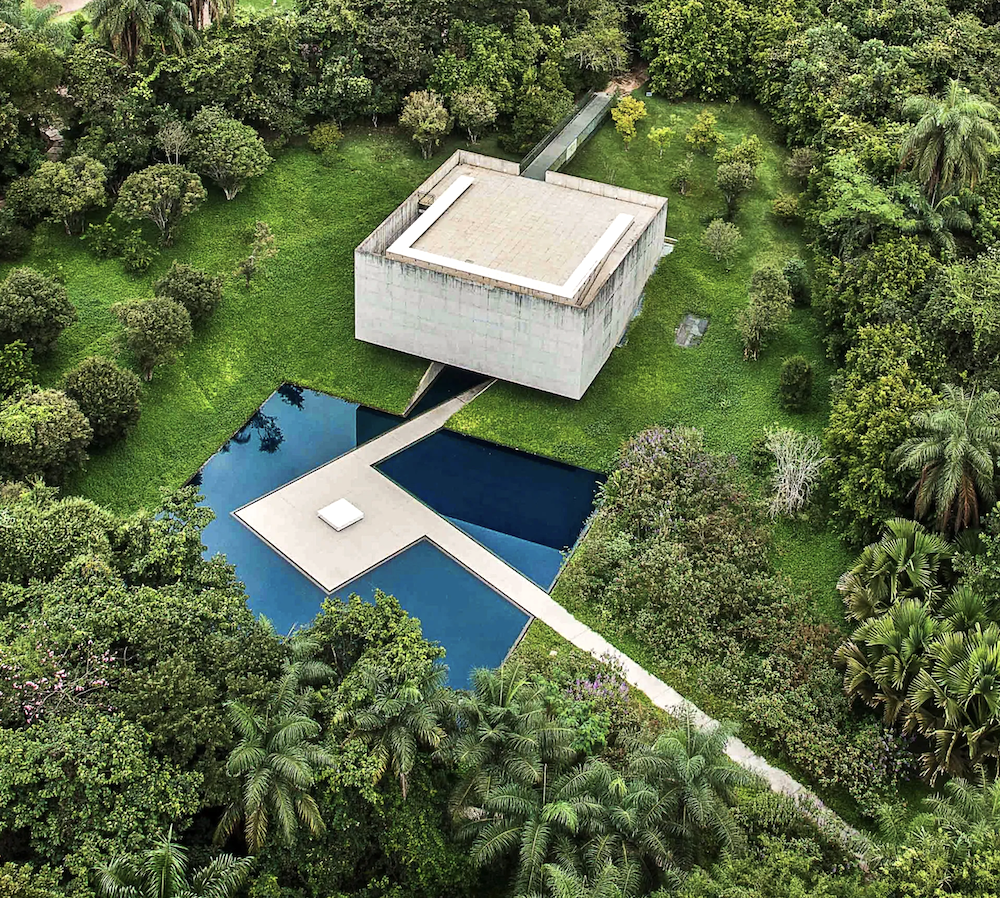
The Galeria Adriana Varejão, designed by architect Rodrigo Cerviño Lopez, is a concrete monolith containing works that explore colonialism as well as Brazil’s history and environment.
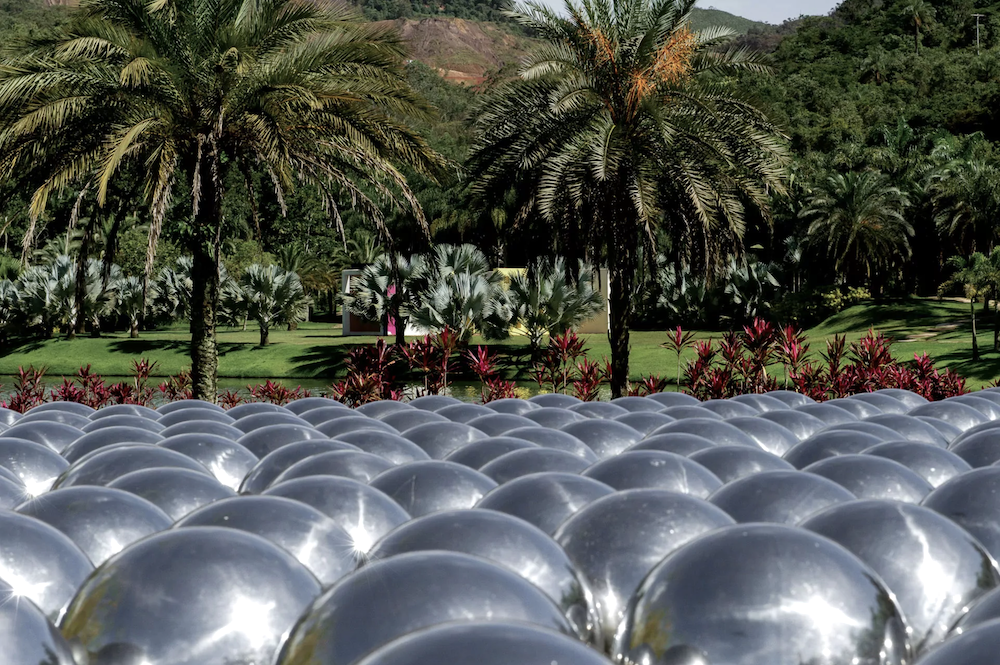
A gallery for Yayoi Kusama houses two immersive installations, and her Narcissus Garden floats 750 stainless steel spheres in a reflecting pool, a version of the sculpture first presented at the 1966 Venice Biennale.
The collection includes works by Claudia Andujar, Ólafur Elíasson, Abdias Nascimento, Hélio Oiticica, Lygia Pape, and Doris Salcedo, with about 60 artists from 40 countries.
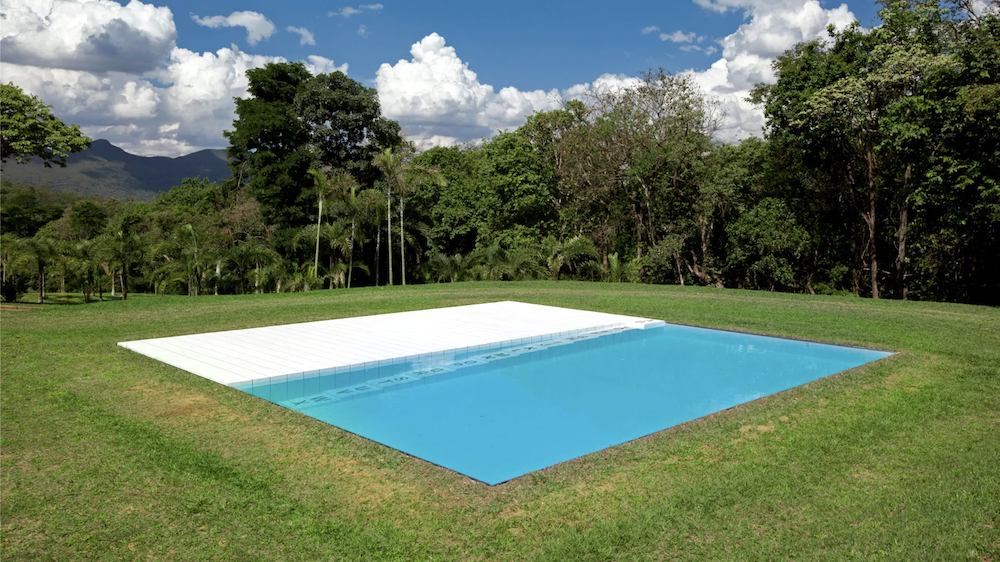
In 2024 Inhotim opened the Clara Arte Resort, the first and only hotel located directly within the grounds. Because of its relatively remote location and vast scale, visiting Inhotim is more like a pilgrimage than a typical museum visit. It requires effort to get there, and intention to explore its forests, gardens, and galleries. For those who make the journey, Inhotim is an Aruanda of art and nature.